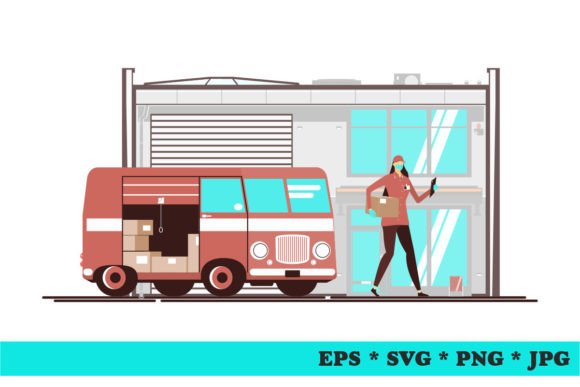
Security Vector Illustration
As an embroidery designer and product reviewer, I often find myself evaluating new designs for real-world use. The Security Vector Illustration caught my attention with its clean lines and appealing composition. It’s a versatile graphic that could work well in a variety of projects, but like any design, it has its strengths and limitations depending on how it’s applied.
First Impressions: A Design That Speaks Volumes
The Security Vector Illustration immediately gives off a sense of professionalism and clarity. The shapes are well-defined, and the color palette is balanced—ideal for both subtle and bold applications. It feels like a design that was created with purpose, not just aesthetics. The layout is structured, making it easy to visualize how it might translate into different embroidery formats.
This illustration seems to lean toward modern, minimalist themes. It would fit well in a tech-oriented or corporate setting, but it also has enough detail to be adaptable for more creative or personal projects. Its visual personality is neutral yet engaging, which makes it a good candidate for a wide range of products.
Real-World Embroidery Use Cases
When considering the Security Vector Illustration for real-life embroidery projects, it’s important to think about where it would shine. For instance, if I were designing a custom tote bag for a small shop, this illustration could serve as a strong focal point. The clean lines would make it easy to stitch without getting lost in complex details.
It would also work well for sweatshirt embroidery, especially if the design is used as a background element. The shape and scale seem appropriate for medium-sized hoops, which is great for most home and commercial embroidery machines. However, I’d recommend testing it on different fabric types before committing to a large batch.
For baby items, such as onesies or burp cloths, the Security Vector Illustration could be a nice touch. Its simplicity helps keep the focus on the child, while the design adds a stylish element. But I’d want to ensure that the thread colors contrast well with the fabric, especially for lighter materials.
Where to Be Cautious
While the Security Vector Illustration is generally well-designed, there are some areas where it might not perform as expected. If you’re working with small hoop sizes, this design might require multiple hooping steps, which can complicate the process. It’s also not ideal for textured fabrics or thin, stretchy materials where the stitches might not lay flat.
On dark fabrics, the design could appear too light or washed out, so it’s worth testing with different thread colors. Similarly, if you're planning to use it on curved surfaces like caps or hats, the design might need some adjustments to maintain its integrity during stitching.
Detailed corners and tiny lettering could be problematic if the design isn’t optimized for machine embroidery. I’d advise checking the stitch density and ensuring that the file is suitable for your specific machine and hoop size. For applique designs, the Security Vector Illustration might require additional stabilizer support to prevent puckering or distortion.
Impact on Visual Appeal and Product Value
The Security Vector Illustration has the potential to elevate the visual appeal of any embroidered product. Its clean design and balanced composition make it easy to integrate into a wide range of items, from personalized gifts to commercial merchandise. When used effectively, it can add a professional touch that customers appreciate.
For handmade products or Etsy listings, the design could help differentiate your offerings from generic options. It adds a layer of creativity and thoughtfulness that resonates with buyers looking for unique, high-quality items. However, the success of the design depends heavily on how it's executed in the final product.
From a branding perspective, the Security Vector Illustration could be a useful asset for boutique products or craft fair displays. It maintains consistency across different items and reinforces a cohesive aesthetic. For small shop owners, this design could be a reliable addition to their collection of digital embroidery files.
Practical Designer Notes
Before using the Security Vector Illustration in any project, I always recommend testing it on scrap fabric. This helps identify any issues with stitch density, thread color contrast, or fabric compatibility. It’s also wise to review the design in black and white mockups to see how it looks without color.
If you're planning to sell finished products, make sure the licensing terms allow for commercial use. Some designs may have restrictions that could limit your ability to offer them as part of your craft business. Always confirm the terms before proceeding.
When working with this design, pay close attention to the stabilizer type and application. Proper support is essential for maintaining the quality of the embroidery, especially on delicate or stretchy fabrics. Also, consider how the design will look on both light and dark backgrounds to ensure it remains visible and appealing in all contexts.
Final Thoughts: A Solid Choice for the Right Project
The Security Vector Illustration is a well-crafted design that offers flexibility for various embroidery projects. It’s particularly suited for custom apparel, tote bags, and small shop merchandise where clarity and simplicity are key. However, it’s not a one-size-fits-all solution.
As with any machine embroidery design, the success of the Security Vector Illustration depends on how it’s applied. With careful consideration of fabric type, hoop size, and stitch settings, it can become a valuable addition to your collection of design assets. Whether you're an Etsy seller, a craft business owner, or a hobbyist, this illustration has the potential to enhance your work when used thoughtfully.